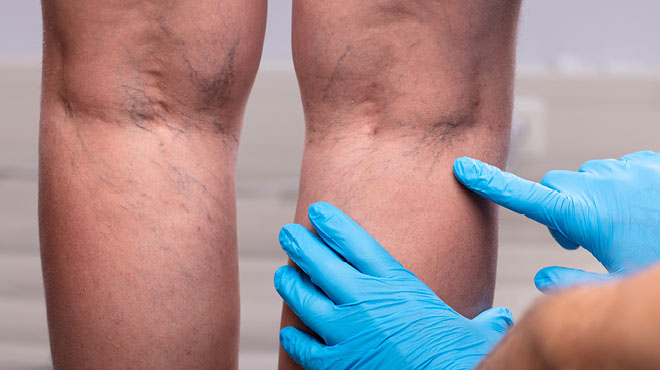
Varicose veins are enlarged, twisted veins that typically appear on the legs and feet due to weakened or damaged vein valves. These valves are responsible for maintaining one-way blood flow toward the heart. When they fail to function properly, blood can pool in the veins, causing them to become swollen, visible, and often uncomfortable. While varicose veins are common, they can also be a sign of underlying venous disease that requires medical attention.
Symptoms and Causes
Preventive cardiology addresses conditions and risk factors that increase the likelihood of heart disease and related complications. Common conditions treated include:
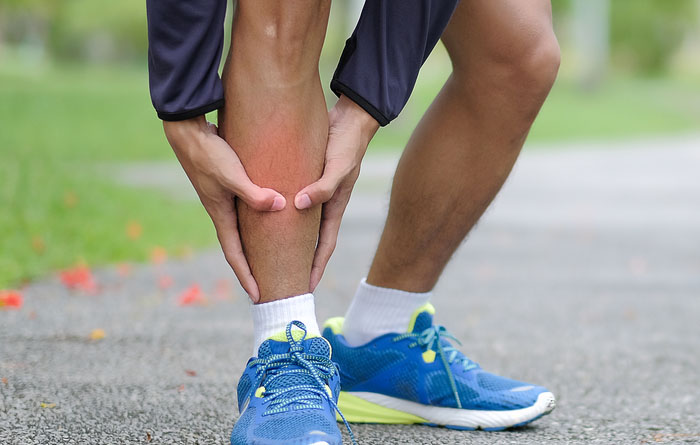
Common symptoms include:
Bulging, rope-like veins visible under the skin
Aching, heaviness, or cramping in the legs
Swelling around the ankles or calves
Burning, throbbing, or itching sensations
Skin discoloration or thickening near the ankles
Restless legs or discomfort that worsens after long periods of standing or sitting
Primary causes include:
Weakened vein walls or damaged valves
Family history of varicose or spider veins
Aging, which reduces vein elasticity
Hormonal changes during pregnancy, menopause, or from birth control use
Obesity or sedentary lifestyle
Occupations requiring prolonged standing
Diagnosis
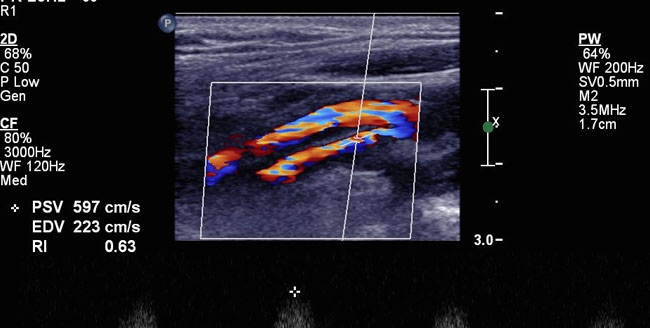
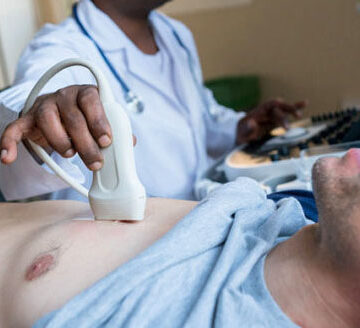
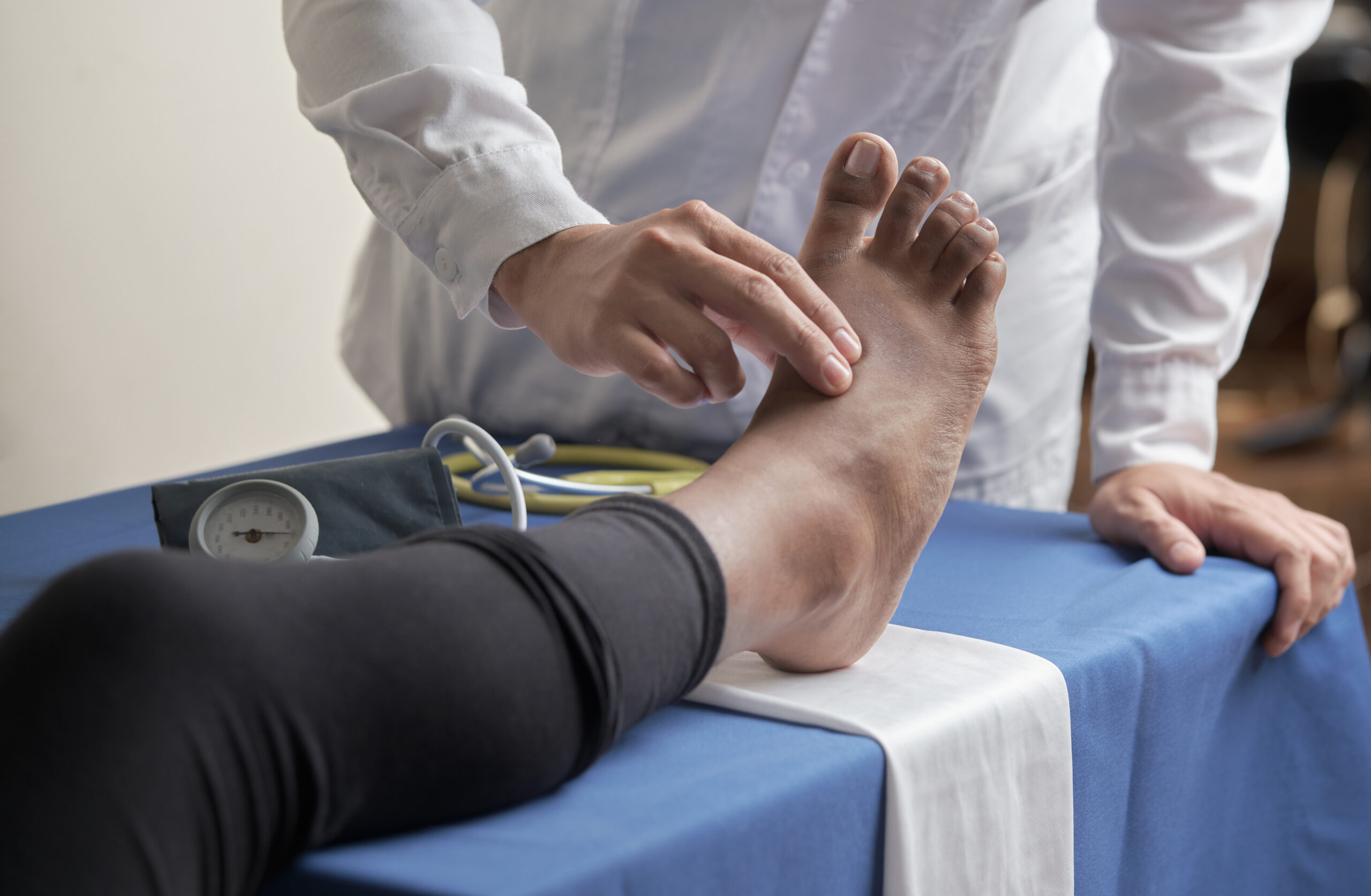
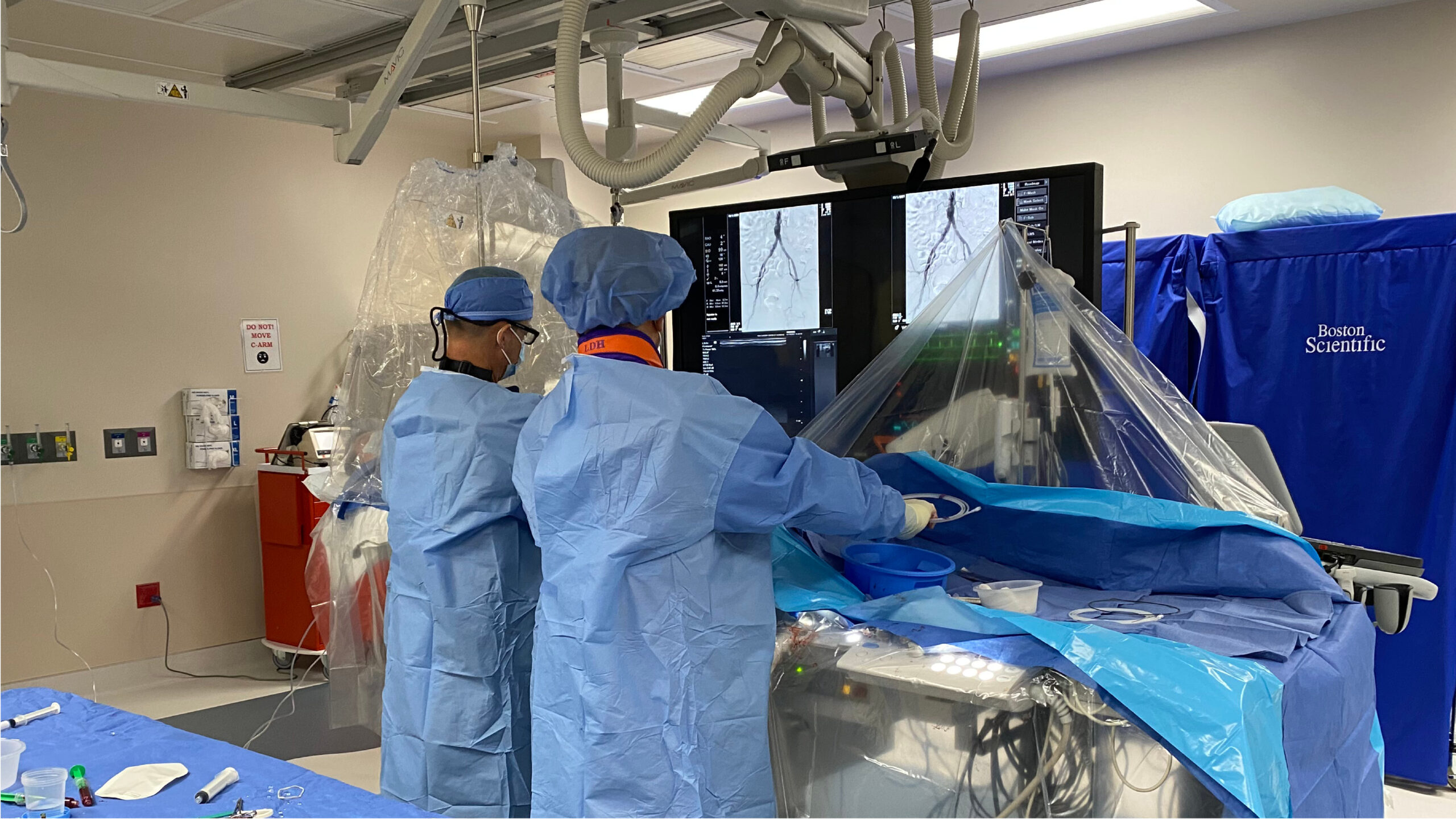
At Peak Heart & Vascular, varicose veins are evaluated using advanced diagnostic imaging, including duplex ultrasound, to assess blood flow and identify valve dysfunction or venous reflux. Our specialists perform a thorough vascular examination to determine the severity of your condition and develop a personalized treatment plan tailored to your symptoms and goals.
Treatment Options
Treatment depends on the severity of the condition and may include:
Lifestyle modifications: Elevating legs, compression stockings, exercise, and weight management to improve circulation.
Minimally invasive procedures:
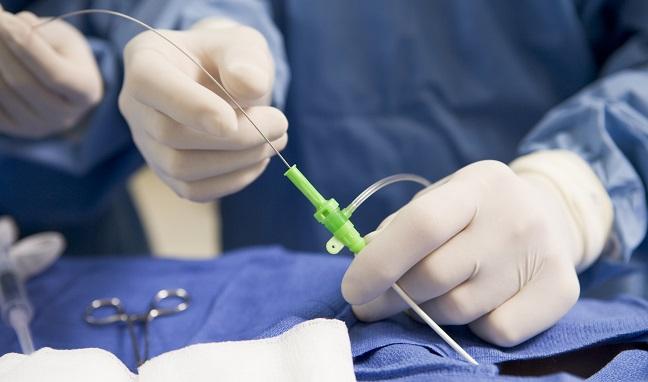
Endovenous ablation (radiofrequency or laser): Uses heat to close diseased veins.
Sclerotherapy: Injects a solution that causes small varicose or spider veins to collapse and fade.
Ambulatory phlebectomy: Removes surface varicose veins through tiny skin incisions.
VenaSeal closure system: Seals veins with a medical adhesive, eliminating the need for heat or anesthesia. (see video below)
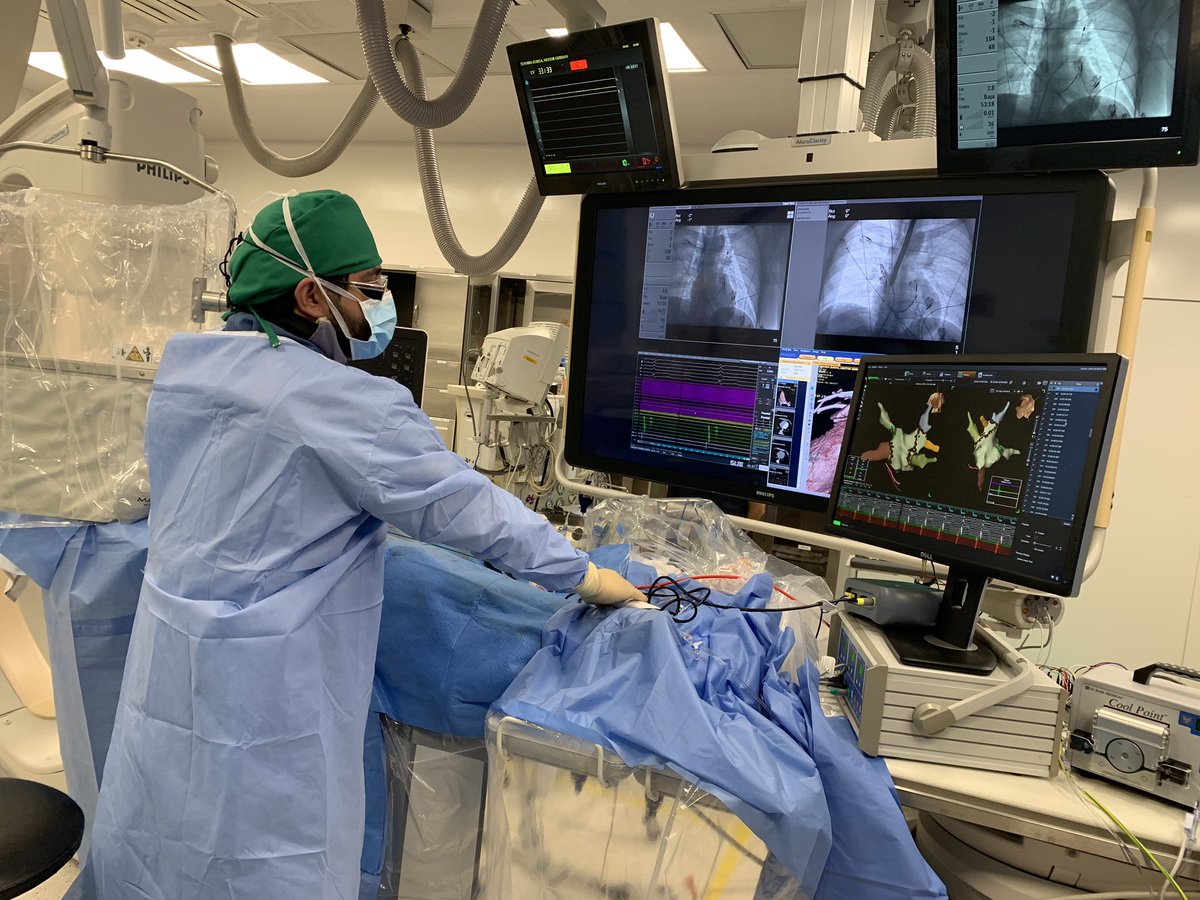
Most procedures are performed in our state-of-the-art outpatient surgery centers.
When to See a Vascular Surgeon
You should schedule a consultation if you experience:
Persistent leg pain, heaviness, or swelling
Visible veins that are enlarging or becoming more painful
Skin changes such as redness, thickening, or ulcers
Bleeding or inflammation around a vein
Ignoring symptoms may allow venous disease to progress, increasing your risk of complications like leg ulcers, blood clots, or chronic venous insufficiency.
Benefits of Early Diagnosis and Treatment
Early evaluation and treatment not only relieve symptoms and improve appearance but also prevent disease progression and long-term complications. Timely care enhances circulation, supports mobility, and restores confidence in your leg health.